
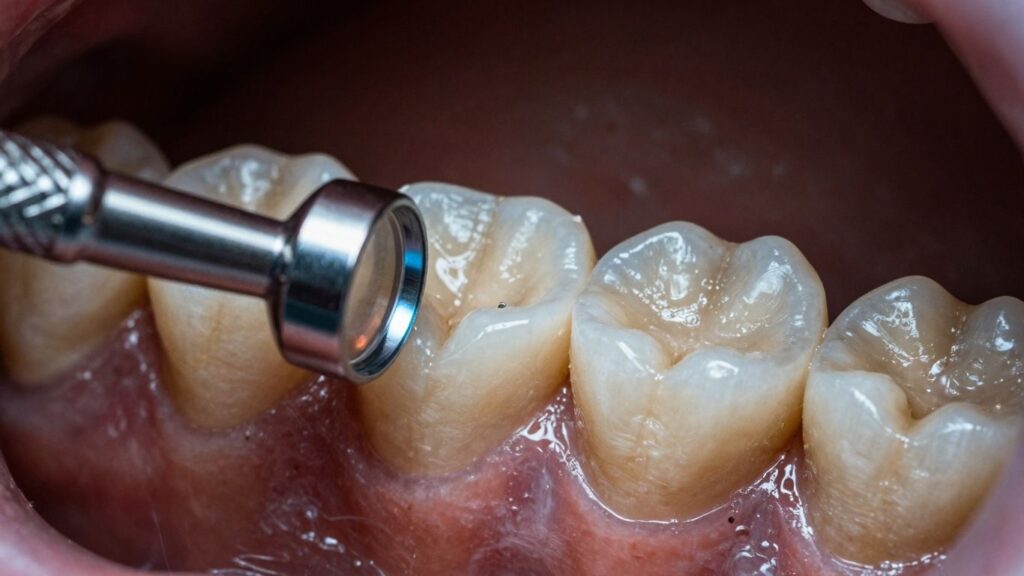
Dentistry is always changing, and new tools are making patient care better. Microscopic dentistry is one of these big changes. It uses special microscopes to help dentists see tiny details in your mouth. This means they can find problems early and fix them more precisely. We’re going to look at how this technology is improving dental visits and what it means for your smile.
Key Takeaways
- Microscopic dentistry uses high-powered microscopes for better visibility during dental procedures.
- This technology leads to more accurate diagnoses and allows for early detection of dental issues.
- Procedures become less invasive, often resulting in improved patient comfort and faster recovery.
- Microscopic dentistry is used in various areas like fillings, root canals, and gum surgery.
- Patients benefit from a clearer understanding of their treatment and can experience shorter appointment times.
Understanding Microscopic Dentistry
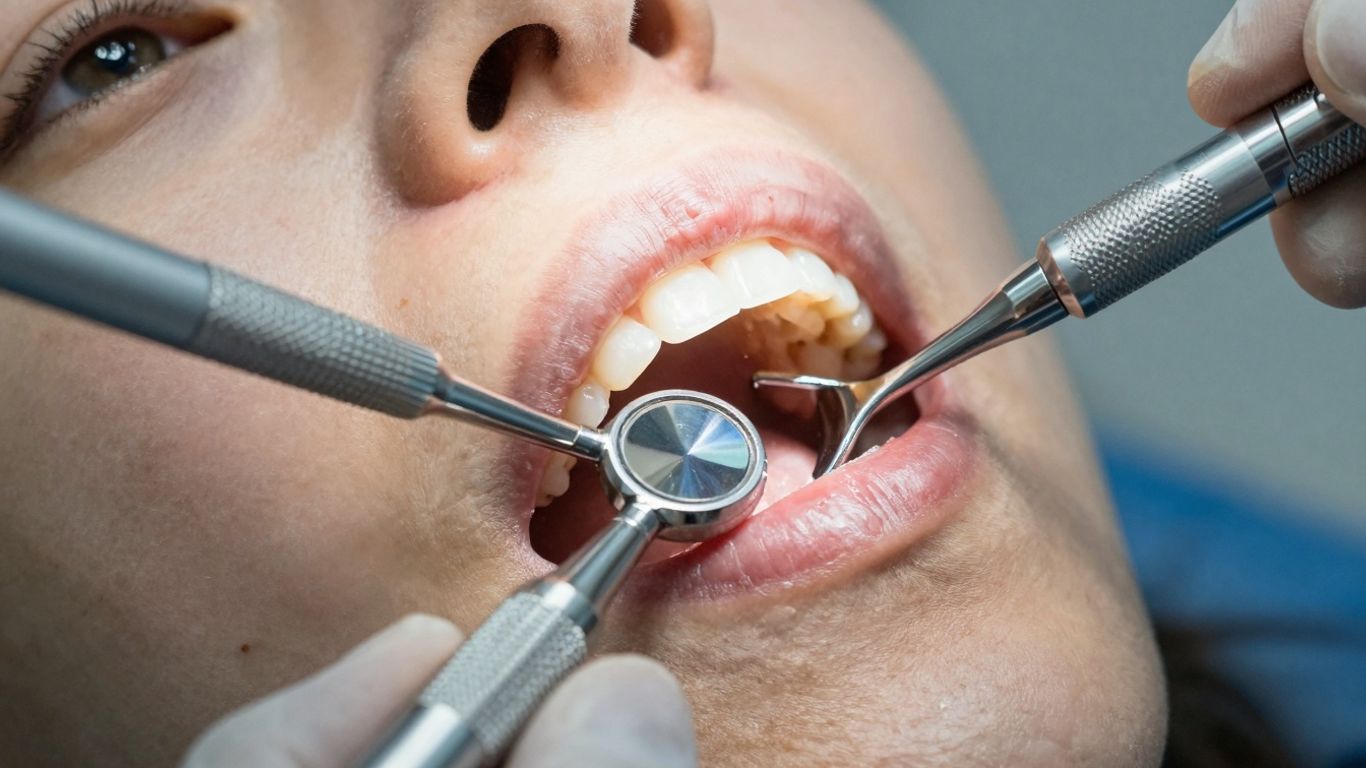
Dentistry has really changed over the years, moving from basic tools to some pretty high-tech stuff. One of the biggest leaps forward is microscopic dentistry. Think of it as giving dentists super-vision for your mouth. It’s all about using special microscopes to see things way, way smaller than we ever could before.
The Evolution of Dental Care
Going way back, dental care was pretty rough. People often just dealt with toothaches or had teeth pulled. Over time, we got better tools and understanding, but a lot of what dentists did relied on what they could see with their own eyes or feel with their fingers. It worked, but sometimes problems were missed until they got pretty bad. This is where the big shift happened.
Magnification: A New Era of Visualization
Now, imagine being able to see a tiny crack in a tooth or the start of decay that’s barely visible. That’s what microscopes do for dentists. They use these powerful tools, which look a bit like fancy cameras on arms, to zoom in on your teeth and gums. This isn’t just about making things bigger; it’s about seeing details that were previously hidden. It’s like going from a blurry old photo to a crystal-clear HD image.
Precision Beyond the Naked Eye
What does this mean for you? Well, it means dentists can be way more precise. They can spot problems earlier, plan treatments more accurately, and perform procedures with a level of detail that just wasn’t possible before. It allows for a much more conservative approach, meaning they can often fix a small issue without disturbing healthy parts of your tooth.
Here’s a quick look at what microscopic dentistry allows:
- Early Detection: Spotting cavities or cracks when they are tiny.
- Detailed Diagnosis: Understanding the exact nature of a problem.
- Precise Treatment: Performing procedures with incredible accuracy.
- Conservative Care: Saving more of your natural tooth structure.
This technology changes how dentists work by giving them a much clearer picture. It helps them make better decisions about your care and perform treatments that are less invasive and more effective. It’s a win-win for both the dentist and the patient.
Basically, microscopic dentistry is about seeing more, doing more accurately, and ultimately, taking better care of your teeth and gums.
The Advantages of Microscopic Dental Procedures
Enhanced Diagnostic Accuracy
This is where microscopic dentistry really shines. Think about trying to find a tiny crack in a piece of glass with just your eyes versus using a magnifying glass. It’s kind of like that, but for your teeth. Dentists can spot problems like early decay or hairline fractures that are just too small to see otherwise. This means they can catch issues when they’re minor, making treatment simpler and often less expensive down the line. It’s all about seeing more, so you can fix less.
Minimally Invasive Treatment Options
Because dentists can see so much more detail, they can be incredibly precise. This often means they don’t have to remove as much healthy tooth structure to fix a problem. Procedures become more conservative, which is great for your teeth. It’s like a surgeon being able to perform a delicate operation through a tiny incision instead of a large one. Less disruption usually means a quicker recovery.
Improved Patient Comfort and Recovery
When treatments are more precise and less invasive, patients generally feel better. Less healthy tissue is disturbed, leading to less pain and swelling after the procedure. This can mean a faster return to your normal routine. Plus, when dentists can clearly show you what they see and what they’re doing, it can make the whole experience feel less scary and more understandable.
Here’s a quick look at how it helps:
- Early Problem Detection: Spotting issues before they become big problems.
- Preserving Tooth Structure: Keeping more of your natural tooth intact.
- Reduced Discomfort: Less pain and swelling after treatment.
- Faster Healing: Getting back to your daily life quicker.
The ability to see the smallest details allows for treatments that are not only more effective but also gentler on the patient’s overall oral health.
Key Applications of Microscopic Dentistry
Restorative Dentistry Excellence
When it comes to fixing teeth, like with fillings or crowns, microscopic dentistry really shines. The magnification lets dentists see exactly where a filling needs to go and how well it fits. This means a better seal, which helps prevent problems down the road. It’s also great for checking the edges of crowns and bridges, making sure they blend in perfectly with the natural tooth. This attention to detail leads to restorations that look better and last longer.
Advanced Endodontic Treatments
Root canals can be tricky, right? That’s where microscopes become a superhero. They help dentists find all the tiny canals inside a tooth, even the really small ones that are easy to miss. This means a more thorough cleaning and sealing of the root canal system. It really ups the success rate for these procedures and cuts down on the chances of needing a retreatment later. It’s all about precision in a very small space.
Precision in Periodontal Surgery
For gum surgery, like fixing gum recession or doing deep cleanings below the gum line, magnification is a huge help. Dentists can work with incredible accuracy, making smaller incisions and being gentler with the tissues. This often means less swelling, less pain after the procedure, and a quicker recovery for the patient. It allows for more delicate work that preserves gum health.
The Technology Behind Microscopic Dentistry
So, what exactly makes microscopic dentistry so different? It all comes down to the gear. We’re talking about some pretty advanced tools that let dentists see things way, way smaller than we ever could before.
High-Powered Dental Microscopes
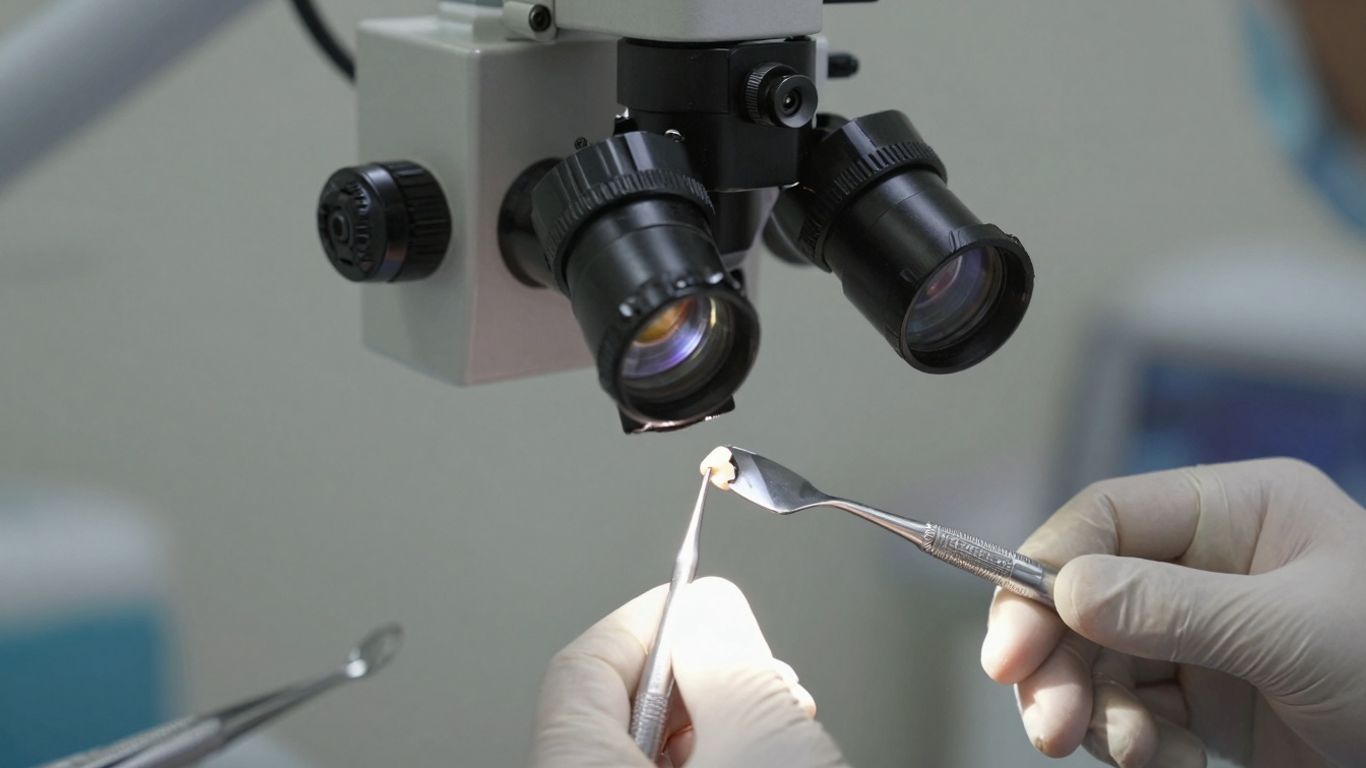
The star of the show is definitely the dental microscope. Think of it as a super-powered magnifying glass, but way more sophisticated. These aren’t your grandma’s reading glasses; they can zoom in up to 40 times, sometimes even more! This lets dentists get a crystal-clear look at the tiniest details in your mouth. This level of magnification is what allows for that incredible precision we talked about. It means they can spot issues you wouldn’t even know were there, like microscopic cracks or the very start of a cavity.
Integrated Imaging and Documentation
It’s not just about seeing; it’s about recording too. Many of these microscopes come with built-in cameras. This is super handy for a few reasons. Dentists can take pictures or videos of what they’re seeing. This helps them keep track of what they did during a procedure, which is great for your records. It’s also a fantastic way for them to explain things to you. Seeing is believing, right? Plus, if they run into a tricky case, they can share images with other dentists to get a second opinion. It really helps everyone stay on the same page.
Ergonomic Design for Practitioners
Working with microscopes for hours on end could be tough if the equipment wasn’t designed with the dentist in mind. These microscopes are often mounted on special stands or arms that can be easily adjusted. The chairs dentists use are also designed for comfort and proper posture. This attention to ergonomics means dentists can work comfortably and without strain, which is important for them to do their best work on your teeth. It’s all about making sure they can focus on the details without getting tired or uncomfortable.
Patient Benefits and Satisfaction
When you go to the dentist, you want to know what’s going on, right? Microscopic dentistry really helps with that. Your dentist can show you magnified images of your teeth and gums. It’s like getting a super close-up view of your own mouth. This visual clarity makes it much easier to understand exactly what the problem is and why a certain treatment is needed. You’re not just taking their word for it; you can see the details for yourself. This makes you feel more involved in your own care.
Empowered Treatment Understanding
It’s one thing to hear about a cavity, and another to see the tiny hole under magnification. Dentists can point out specific areas, like early signs of decay or a hairline fracture you wouldn’t notice otherwise. This transparency builds a stronger connection between you and your dental team. You leave appointments feeling informed and confident about the path forward for your oral health. It’s about making educated choices together.
Reduced Treatment Times
Think about spending less time in the dental chair. Because dentists can see so much more with microscopes, they can work more efficiently. Procedures that might have taken longer with older methods can often be completed more quickly. This is a big plus, especially if you get a little nervous about dental visits. Less time in the chair means less stress and more time for everything else in your life. It’s a win-win.
Building Trust Through Transparency
When you see the precision involved, it’s hard not to feel more confident in the care you’re receiving. The ability to perform minimally invasive procedures means less discomfort during and after treatment. You’re not just getting your teeth fixed; you’re experiencing a gentler, more precise approach to dental care. This often leads to quicker healing and a more positive overall experience. Many patients report feeling a greater sense of trust and satisfaction after undergoing treatments with microscopic dentistry, knowing that the highest level of detail was applied to their care. If you’re curious about how this advanced technique is used in root canals, you can explore microscope-assisted endodontics for more details.
The Future of Microscopic Dentistry
Integration with Digital Advancements
Microscopic dentistry isn’t standing still; it’s actively merging with the digital world. Think about how computers have changed everything – dentistry is seeing a similar shift. When you combine the super-powered vision of a dental microscope with digital tools like 3D scanners and printers, you get a whole new level of planning and execution. This means dentists can map out treatments with incredible detail before even touching your mouth. It’s like having a blueprint for your smile that’s more precise than ever before.
Emerging Nanotechnology in Dental Care
Looking even further ahead, we’re talking about nano-dentistry. This is where things get really small – working at the level of atoms and molecules. Imagine tiny robots or materials that can repair teeth from the inside out or deliver medicine exactly where it’s needed. It sounds like science fiction, but researchers are already making progress. This could mean treatments that are incredibly targeted and less invasive than anything we have today.
Continuous Innovation in Practice
The drive to improve microscopic dentistry never stops. New imaging techniques are constantly being developed, offering even clearer views. There’s also ongoing research into new ways to use these tools for different kinds of treatments. It’s a field that’s always pushing boundaries, aiming to make dental care more effective, more comfortable, and more precise for everyone.
Here’s a quick look at what’s happening:
- Smarter Microscopes: Devices that can do more than just magnify, perhaps offering real-time analysis.
- AI Integration: Artificial intelligence helping to spot issues or suggest treatment paths based on microscopic views.
- Advanced Materials: New materials designed to work perfectly with the precision offered by microscopic tools.
The ongoing evolution means that what seems advanced today will likely be standard practice tomorrow. This constant push for better technology benefits us all by making dental care more predictable and successful.
Looking Ahead: A Brighter Future for Your Smile
So, that’s the lowdown on microscopic dentistry. It’s not just some fancy new gadget; it’s a real game-changer for how we take care of our teeth. By letting dentists see things up close, they can catch problems early and fix them without making a big fuss. This means less pain for you, quicker healing, and often, saving you money down the line. It’s pretty cool stuff, really. As this technology becomes more common, expect your dental visits to be more precise and, honestly, a lot less stressful. It’s all about making sure you leave the dentist’s office with a healthier, happier smile.
Frequently Asked Questions
What makes microscopic dentistry different from regular dental check-ups?
Think of it like using a super-powered magnifying glass for your teeth! Regular check-ups use what your dentist can see with their eyes or basic magnifying glasses called loupes. Microscopic dentistry uses special high-tech microscopes that let dentists see tiny details, way smaller than what you can see normally. This helps them find problems super early and be really precise when fixing them.
Is microscopic dentistry a scary or painful procedure?
Not at all! In fact, it often makes things *less* painful and scary. Because dentists can see so clearly with microscopes, they can do ‘minimally invasive’ treatments. This means they only work on the exact spot that needs fixing, leaving healthy parts of your tooth alone. This usually means less discomfort for you and a quicker recovery.
Can microscopic dentistry help find problems I don’t even know I have?
Yes, that’s one of its biggest superpowers! The amazing magnification lets dentists spot problems like tiny cracks or the very beginning of a cavity that might be missed otherwise. Finding these issues early means they can often be fixed with simpler treatments, saving you from bigger problems and more expensive fixes later on.
Will my dentist need special training to use these microscopes?
Absolutely. Dentists who use microscopic dentistry have special training to become experts with this technology. They learn how to use the microscopes effectively and how to perform treatments with that extra level of precision. It’s like a surgeon needing extra training for a complex operation – it ensures the best care for you.
Does using a microscope mean my dental visit will take much longer?
Surprisingly, it often means the opposite! While the dentist is being super careful and precise, the clear view helps them work more efficiently. They can pinpoint the problem area faster and treat it more directly. So, while they’re being incredibly thorough, the actual time in the chair might even be shorter, and you’ll likely need fewer follow-up visits.
Is microscopic dentistry only for really complicated dental issues?
While it’s fantastic for complex jobs like root canals or gum surgery, microscopic dentistry is also great for everyday treatments. Things like filling a cavity or even placing a crown can be done with much more accuracy. It’s a tool that helps dentists do a better job on a wide range of dental care, making treatments more reliable and longer-lasting.